



California one step closer to first-in-the-nation smoke damage protections for wildfire survivors
News: 2026 Press Release
SACRAMENTO, Calif. — California wildfire survivors are one step closer to receiving landmark new protections after the Legislature approved AB 1795, the Smoke Damage Recovery Act, authored by Assemblymember Mike Gipson and sponsored by Insurance Commissioner Ricardo Lara.
The legislation would establish the nation's first enforceable, science-based framework for investigating, restoring, and ensuring smoke-damaged homes, while creating stronger protections for families displaced by wildfire contamination.
AB 1795 also responds to lessons learned from the Lineage Logistics warehouse fire in Boyle Heights by examining insurance, public health, and emergency response gaps exposed when residents, businesses, and entire neighborhoods were affected by prolonged smoke contamination.
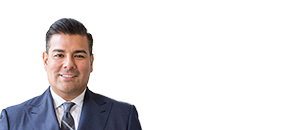
"Wildfire survivors should never have to fight for answers about whether their home is safe to return to," said Commissioner Lara. "This bill puts health and safety first, establishes clear standards, and holds insurance companies accountable for helping families recover. California is once again leading the nation by turning hard lessons into stronger protections for consumers."
“After a wildfire, homeowners should not have to fight their insurance company while struggling to rebuild their homes, their lives, and their future,” said Assemblymember Mike A. Gipson. “I’m proud to have worked with Insurance Commissioner Ricardo Lara to make California the first state to address smoke contamination forcefully and promptly, with real accountability. AB 1795 gives wildfire survivors the strong, science-based protections they need to return home—and I look forward to the Governor signing the bill so that no community is ever left in limbo again.”
California has never had enforceable statewide standards for investigating and restoring smoke-damaged homes after a wildfire. AB 1795 changes that by requiring insurance companies to follow public health standards for smoke contamination testing, remediation, and restoration, creating a clear framework that puts health and safety first.
Among its key consumer protections, the Smoke Damage Recovery Act:
- Gives clarity about the causes of smoke damage by creating a rebuttable presumption that when wildfire smoke is present in a residential property within a wildfire impact zone, the damage resulted from that wildfire, reducing uncertainty for survivors and triggering important consumer protections.
- Keeps survivors safely housed during recovery by prohibiting insurers from terminating additional living expense coverage for qualifying smoke damage claims until the home has been restored to its pre-loss condition and cleared for human occupancy.
- Makes insurers responsible for necessary testing and sampling costs required to determine what is needed to safely restore a smoke-damaged home.
- Establishes timelines for insurers, including requiring inspection of smoke-damaged property within 30 days after receiving notice of a claim or gaining access to the property.
- Requires adequate repair estimates that restore damaged property to at least its pre-loss condition while meeting applicable health and safety standards.
- Protects a survivor's right to choose the vendor or contractor who performs restoration work.
- Creates training and certification requirements for adjusters handling wildfire smoke damage claims.
- Protects the health and safety of employees performing work on residential properties with smoke damage through the state Occupational Safety and Health Standards Board.
Addresses Insurance and Recovery Gaps Exposed by the Lineage Logistics Fire
The Lineage Logistics warehouse fire in Boyle Heights exposed significant gaps in insurance coverage, emergency response, and community recovery when residents and businesses were affected by prolonged smoke contamination.
AB 1795 directs the Department of Insurance and CalOES to evaluate those gaps and develop recommendations to strengthen protections for homeowners, renters, businesses, and communities impacted by future smoke contamination events. The legislation recognizes that modern smoke disasters are not limited to wildfires and begins building a framework to address insurance and recovery challenges arising from complex industrial contamination incidents.
"The Lineage fire exposed serious gaps that left families, businesses, and entire neighborhoods without the support they needed," Commissioner Lara added. "Boyle Heights and East Los Angeles are communities I know well and care deeply about. I grew up there, my family lives by the fire, and I have seen firsthand the environmental injustices these communities have endured for decades. This bill helps ensure we learn from what happened and build stronger protections for communities facing future smoke contamination disasters."
The review will examine insurance coverage gaps, emergency response challenges, public health impacts, community recovery needs, and protections for residents and businesses affected by future smoke contamination events. The study will provide recommendations aimed at modernizing California's insurance and emergency-response framework for future contamination incidents and ensuring communities are not left without support when these events occur.
The legislation was shaped by extensive input from wildfire survivors, consumer advocates, and public health experts who have spent years urging the state to establish clear rules for smoke damage recovery.
"United Policyholders has been fighting for over a decade to get insurers to routinely test wildfire-damaged homes and stop misleading homeowners that their homes are safe to move back into when they aren't," said Amy Bach, Executive Director of United Policyholders. "Passage of AB 1795 is an important win in that fight. This bill will create urgently needed standards, strengthen accountability, and affirm insurers' obligations. We commend the Commissioner's team for the countless hours spent with survivors, insurers, scientists, and professionals to craft these protections."
“California has written the rules the rest of the country can use as their north star. Wildfires are increasing in severity and geographic diversity. When the flames are out, people need to know when it is safe to return to a smoke damaged home. EFRU has spent a year and a half learning what happens when there are no standards or answers. Now is the time to lean into scientific advances in identification, testing, thresholds for health and safety and the remediation of toxic contaminants in smoke damaged homes.” said Eaton Fire Residents United (EFRU).
AB 1795 reflects the California Department of Insurance's ongoing effort to strengthen consumer protections and modernize insurance safeguards in response to evolving risks. By establishing the nation's first comprehensive smoke damage recovery framework and examining lessons from the Lineage Logistics fire, California is creating a model that other states may follow as communities confront increasingly complex smoke contamination events.
# ##
Led by Insurance Commissioner Ricardo Lara, the California Department of Insurance is the consumer protection agency for the nation's largest insurance marketplace and safeguards all of the state’s consumers by fairly regulating the insurance industry. Under the Commissioner’s direction, the Department uses its authority to protect Californians from insurance rates that are excessive, inadequate, or unfairly discriminatory, oversee insurer solvency to pay claims, set standards for agents and broker licensing, perform market conduct reviews of insurance companies, resolve consumer complaints, and investigate and prosecute insurance fraud. Consumers are urged to call 1-800-927-4357 with any questions or contact us at www.insurance.ca.gov via webform or online chat. Non-media inquiries should be directed to the Consumer Hotline at 800-927-4357. Teletypewriter (TTY), please dial 800-482-4833.
